
Abstract:
This article offers an in-depth evaluation of a week-long youth ministry event designed to foster increased participation among young people. The event, held under the theme “Pathfinders Today, Leaders Today,” aimed to cultivate various dimensions of education—spanning from theocentric and spiritual to physical and psychological. This initiative underscores the biblical tenet that effective moral and spiritual education should commence in the formative years. By emphasizing active youth involvement in ministerial roles, the program not only serves ecclesiastical needs but also addresses broader societal concerns. Case studies from Vhembe and Golden-West Districts are also presented to show the tangible impact of such ministries in community engagement.
Introduction:
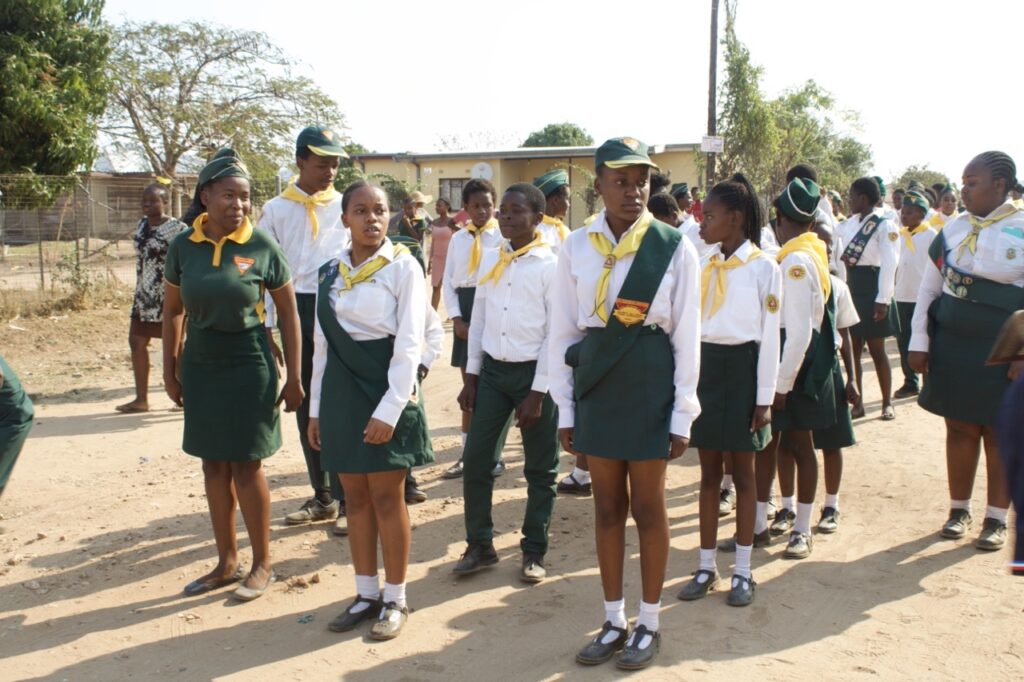
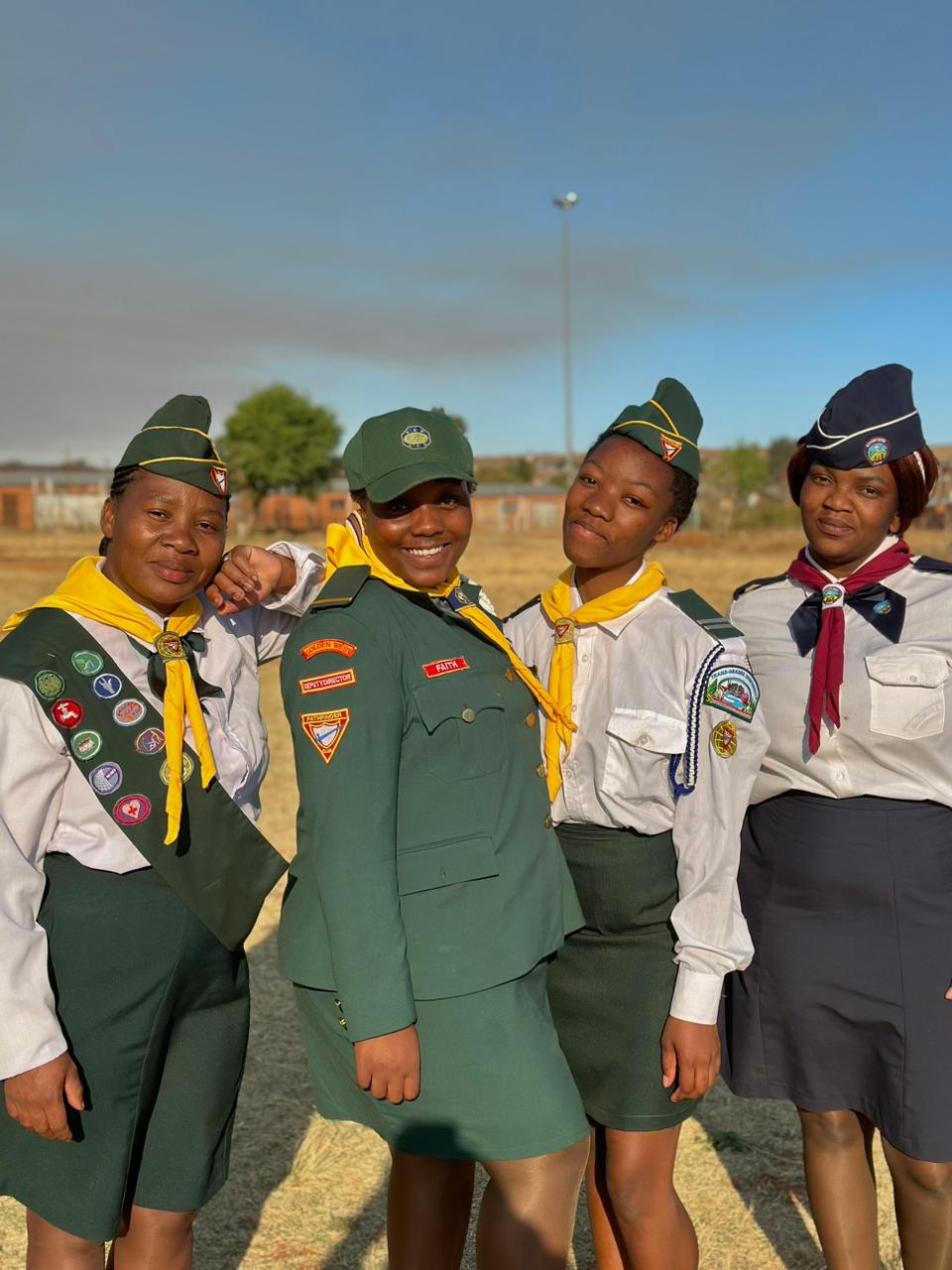
The Pathfinder Club is a coeducational scouting-type organization sponsored by the Seventh-day Adventist Church for young people grades 5-12 or ages 10-18. The program is designed to promote the physical, mental, and spiritual development of young people and encourages them to take an active role in their community through service projects and outdoor activities.
Pathfinders engage in a variety of activities, including camping, survival skills, Bible study, and community service. The club also places a strong emphasis on character development, leadership, and responsibility. Participants often earn “honours,” which are somewhat similar to merit badges in other scouting organizations, by mastering new skills and learning about different areas of interest. It’s worth noting that Pathfinders is international in scope and is a well-organized program with uniformed leaders, a set curriculum, and regular club meetings. The organization aims to instil in its young members not only practical life skills but also ethical and spiritual values based on the Seventh-day Adventist faith.
The role of youth in ministry has been a subject of ongoing theological discussion. As churches grapple with societal changes, the spiritual, moral, and psychological education of the youth becomes ever more critical. As Proverbs 22:6 posits, “Train up a child in the way he should go: and when he is old, he will not depart from it.” Against this backdrop, the week-long initiative serves as a laudable venture aiming to incorporate youth in active roles within the church and the larger community.
Objectives of the Week-long Initiative:
The week-long program sought to achieve holistic education across several domains:
- True Education
- Theocentric Education
- Spiritual Education
- Wholistic Education
- Physical Education
- Social Education
- Psychological Education
- Moral Education
True Education:
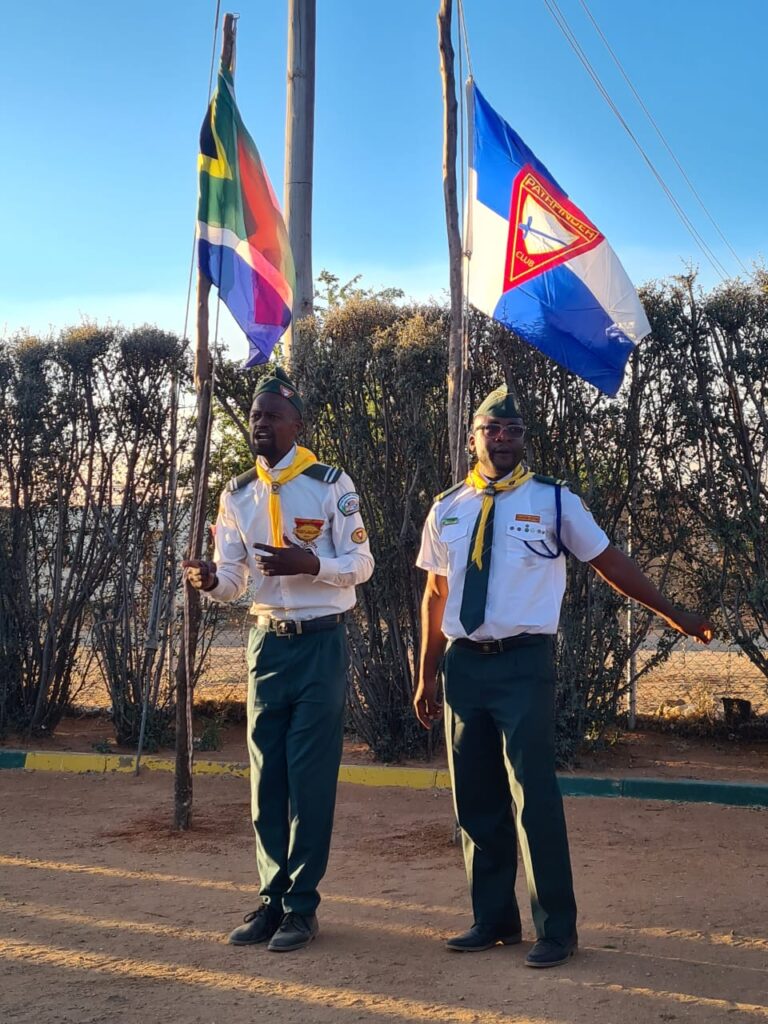
In Adventist educational philosophy, True Education is understood as the harmonious development of the physical, mental, and spiritual powers. Drawing from Ellen G. White’s seminal work, “Education,” it is believed that education should be a lifelong pursuit, grounded in the principles of love and service as modelled by Jesus Christ. This understanding transcends mere academic learning to encompass a broader framework that prepares individuals for eternal life.
Theocentric Education:
Theocentrism refers to a God-centred approach to life and learning. Within the Adventist context, all knowledge and understanding are considered fragments of divine wisdom. In essence, each subject, whether secular or religious, is integrated with spiritual meaning. This implies that every academic pursuit is essentially an opportunity to understand the character and nature of God more fully.
Spiritual Education:
Spiritual education in the Adventist tradition goes beyond doctrinal instruction. It includes the nurturing of a personal relationship with Jesus Christ, facilitated through prayer, Bible study, and communal worship. This relational aspect is deemed vital for the development of a robust faith that stands the test of time and circumstances.
Wholistic Education:
Aligned with the biblical concept of shalom, Adventist education pursues wholeness—physical, emotional, spiritual, and intellectual. Wholistic education encourages students to view themselves as part of a larger community and cosmos, fostering empathy, compassion, and social responsibility.
Physical Education:
Physical well-being is not merely seen as a health requirement but also a spiritual obligation. Adventists often cite 1 Corinthians 6:19-20 to emphasize that the body is the “temple of the Holy Spirit.” As such, physical education includes not just exercise but also lessons in diet, hygiene, and overall wellness.
Social Education:
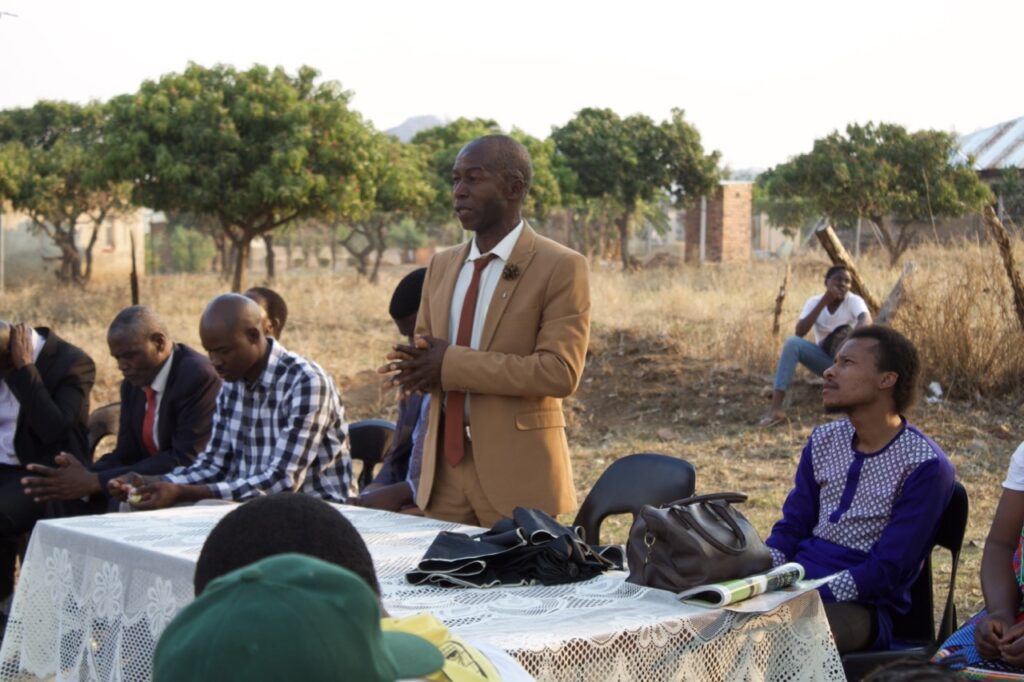
Adventist education aims to produce socially responsible citizens. In line with the church’s broader mission to serve humanity, social education involves instilling values of social justice, equity, and community service. This is achieved through active engagement in various forms of social outreach and philanthropic activities.
Psychological Education:
While not separated from other dimensions, psychological education aims to foster emotional intelligence, resilience, and mental wellness. Given the church’s belief in the interconnectedness of mind, body, and spirit, understanding one’s psychological makeup is considered vital for spiritual growth and effective social interaction.
Moral Education:
Drawing from the Decalogue and the life teachings of Jesus, moral education in the Adventist setting focuses on the cultivation of character. The aim is to internalize principles such as integrity, honesty, and altruism, which are seen as reflections of divine character.
The Seventh-day Adventist approach to education is a multi-faceted endeavour designed to prepare individuals for a fulfilling life on earth and eternal life hereafter. Through its various dimensions, it aims to equip students with the tools they need for spiritual, intellectual, physical, and social excellence. As the Adventist Church continues to invest in this holistic form of education, it contributes not only to the church but also to the larger society, advocating for a well-rounded approach to human development.
Rethinking Youth Participation in Services:
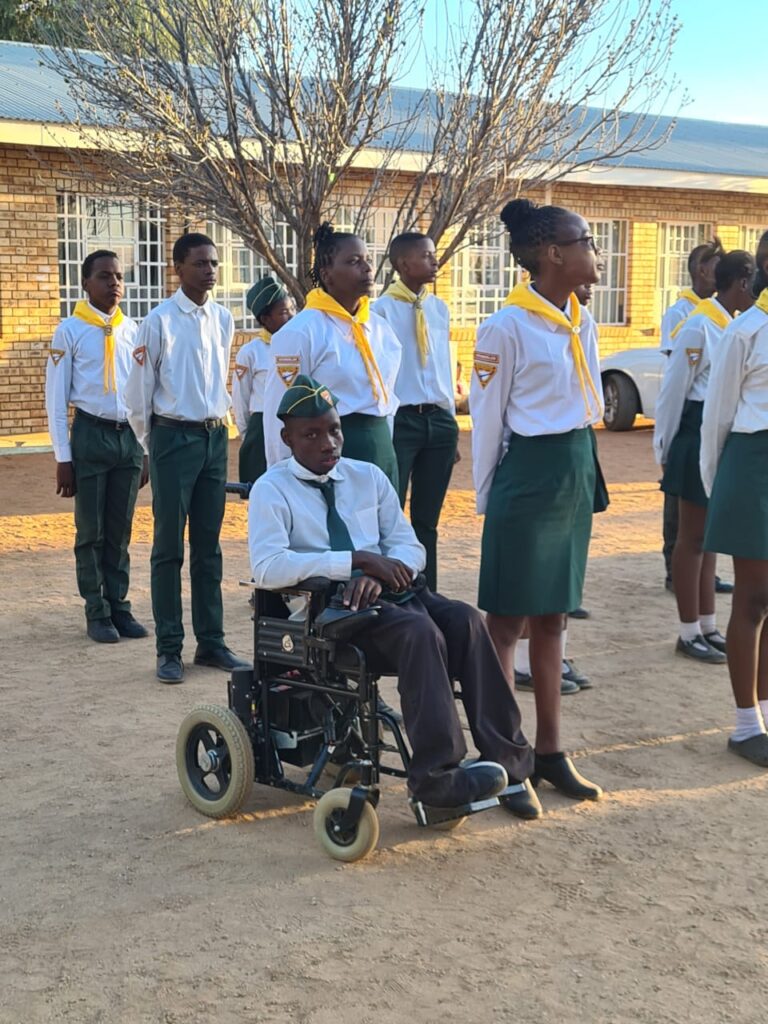
Traditionally, religious assemblies have been reluctant to include youth in leading services. This practice starkly contrasts the week’s objective to empower young individuals to take up ministerial roles. Often, religious gatherings invest considerably in adult services, including seasoned preaching, whereas youth services might receive less attention. The lessons taught during this week encompassed not just theoretical but also practical theology, encouraging compassion and benevolence as lived experiences rather than mere doctrinal tenets.
Case Studies: Vhembe and Golden-West Districts
Vhembe District:

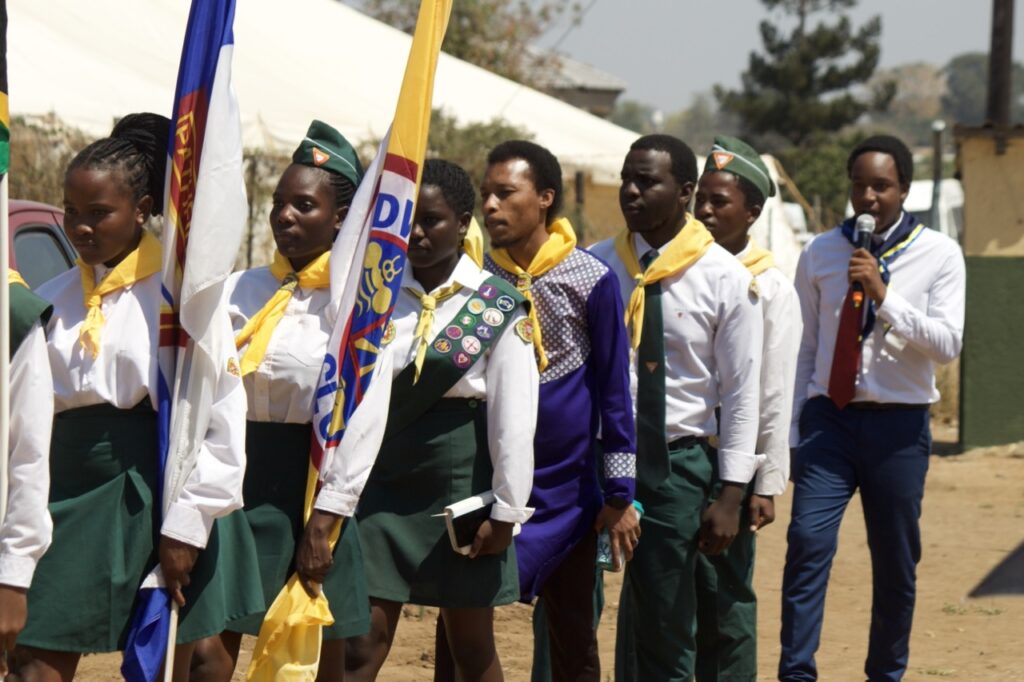
The event culminated in the Vuwani village, selected due to its potential for growth and community impact. The youth members, as part of their marching drill, approached the local chief’s house to negotiate land for a worship structure. Their efforts were met with support, highlighting the symbiotic relationship that can exist between church communities and local governance structures.
Golden-West District:
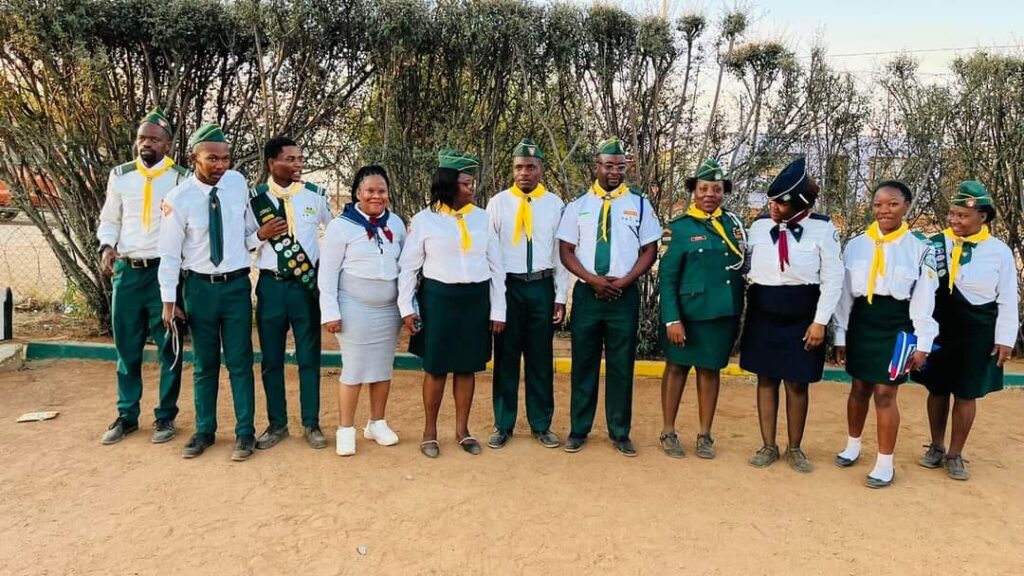
In the Golden-West District, the initiative extended beyond the church’s confines to have a broader societal impact. The youth engaged in community service, reaching out to three families in particular need. This exposure to diverse societal challenges, including spiritual warfare, provided invaluable practical lessons and testimonies of God’s power.
The Didactic Implications of Daniel 3: A Theological Reflection on Youth Engagement in Times of Crisis as Expounded by Apostle Tumelo Silas Motsie
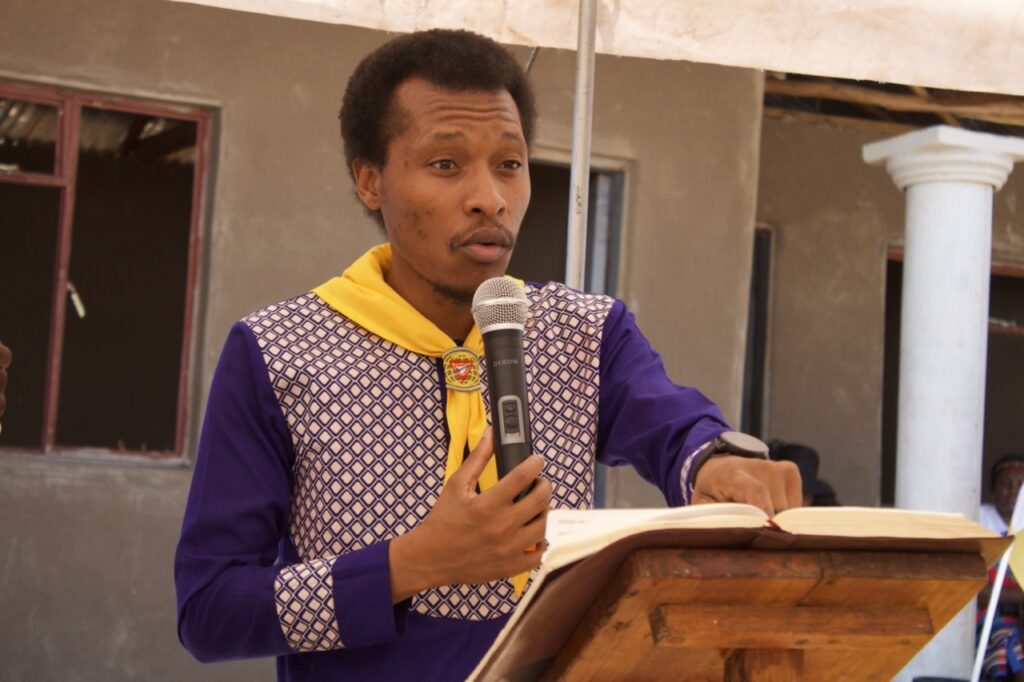
A compelling discourse was delivered by Apostle Tumelo Silas Motsie that pivoted on the biblical account of the three Hebrew youths as narrated in the book of Daniel, chapter 3. The exegetical exploration of this narrative yielded profound implications for contemporary youth, particularly in the realm of faith and devotion to God. This paper aims to academically scrutinize and articulate the theological depth of Apostle Motsie’s discourse, emphasizing its relevance for today’s young generation.
The Biblical Narrative as a Pedagogical Framework
The Book of Daniel is an exemplar of resilience, steadfastness, and unwavering faith, elements that resonate profoundly with the modern youth navigating an age of moral ambiguity and spiritual anarchy. Daniel 3, which captures the narrative of Shadrach, Meshach, and Abednego, provides a concrete backdrop for the lessons Apostle Motsie aimed to impart. These characters, when faced with life-threatening adversity, exhibited not only courage but also an explicit reliance on divine intervention rather than human agency.
Theological Implications: God’s Ability and Human Limitations
Apostle Motsie elaborated on the triad’s testimony to King Nebuchadnezzar, focusing on their assured statement that their God was ‘able.’ This asseveration of divine capability was not a mere conjectural expression of faith but stemmed from their personal experiences with the Divine. It was a compelling argument that, even if circumstances evolve contrary to human expectations, God’s inherent ability does not waver or diminish. The discourse served to illuminate the notion that God’s sovereignty remains intact, irrespective of the specific outcomes of human predicaments.
Emphasis on Youth Engagement: Relational Dependence on the Divine
In a particularly poignant section of his discourse, Apostle Motsie highlighted the importance of young people depending on God more than human institutions or relationships. This argument was a call to arms for the youth to recognize the value of cultivating a personal and experiential relationship with God, especially in an age rife with distractions and ephemeral pleasures that often seem more immediately rewarding. The exposition by Apostle Tumelo Silas Motsie on Daniel 3 serves as a critical pedagogical tool for fostering a spiritually robust and resilient youth. By elucidating the lessons gleaned from the account of the three Hebrews, he provides a compelling theological framework for understanding the dynamics of divine-human interaction, especially in crisis situations. The emphasis on youth reliance on divine agency, rather than merely human support, adds a vital dimension to the broader dialogue on Christian youth engagement in contemporary society.
Acknowledgements:
We wish to express our appreciation for the invaluable contributions made by the Ministry of Pathfinders. May those who continue to support and encourage our youth be blessed abundantly.
Shalom…