
Celebrating Youth month with a Youth Revival:
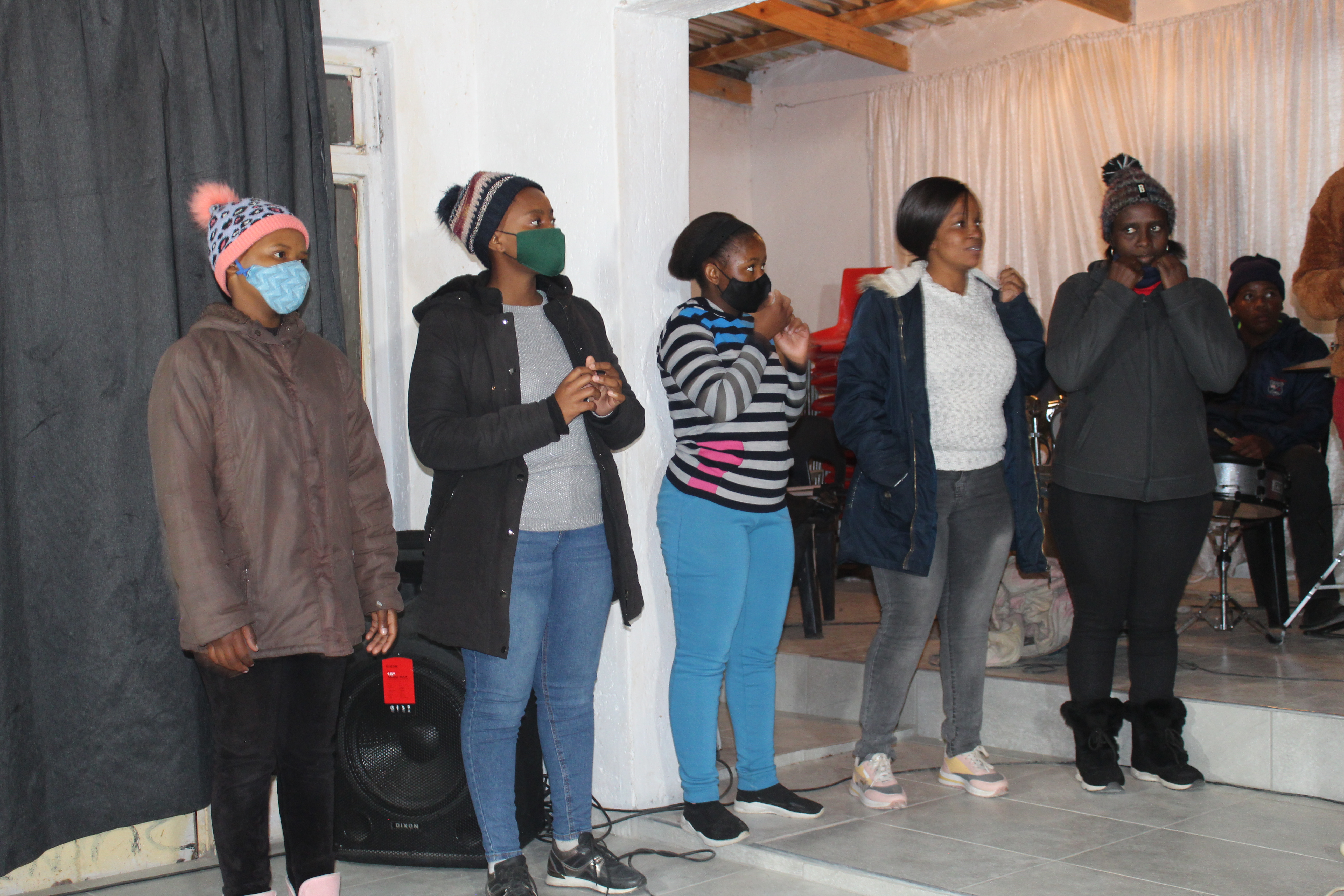
In the Republic of South Africa June is a special month, not only from a political point of view but generally for young people as we celebrate the heroics of the youth of 1976. As a ministry in collaboration with Restoration and Reconciliation Ministries (affectionately known as RRM) made this year’s youth month celebrations extra special for the youth. We obviously due to covid-19 restrictions could not go as massive as we had intended, but as responsible citizens of the country we had to comply with the regulations that were put into place during that period. It is always a good thing when people have a desire to be distinguished from the rest. As we were preparing this conference, we wanted to begin a new culture of doing things for the glory of God. Consequently, all parties involved agreed to have the conference run for a week as opposed to the normal three days norm.
The aim of the youth conference wasn’t merely to gather young people under one roof and preach to them. We wanted to do more than just the preaching work. In most cases, people are bombarded with preaching when the element of teaching has been ignored. Being cognitive of some of the challenges that young people are facing in society, the conference was structured in such a way that more emphasis was placed on teaching and imparting knowledge than on just preaching for the sake of getting people excited. As this was a youth initiative, we wanted speakers that would be able to relate and incarnate with the youth in such a way that hope and faith would be imparted upon them, knowing that all is possible when one totally surrenders to God.
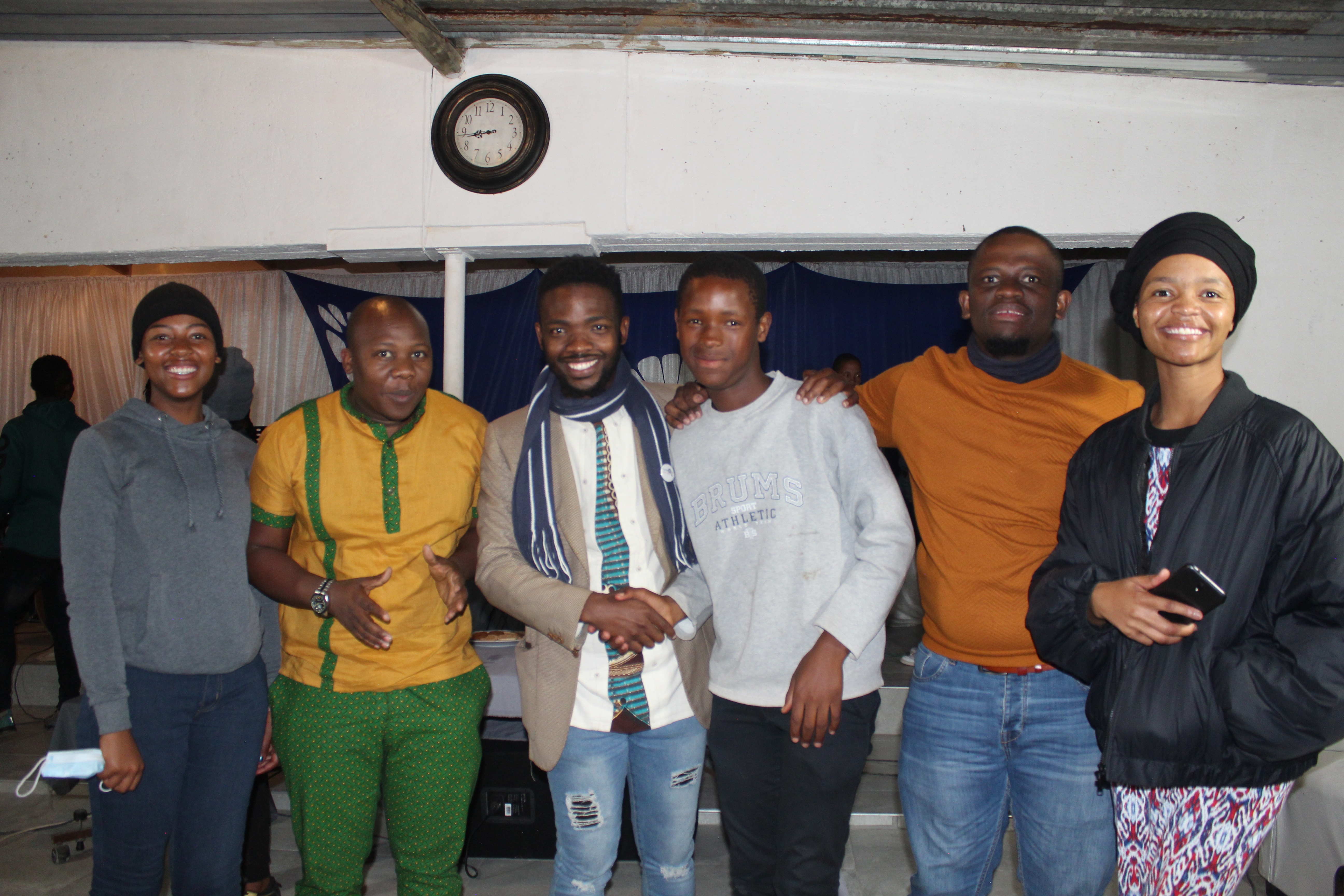
The following were the speakers: Evangelist Khanyisile Makhosonke (from Bodibe Village); Evangelist Thapelo Sekobane (from Tsetse Village); Pastor Bakang Dodovu (from Klerksdorp); Apostle Thabo Moseki (from Orlando East, Soweto); and Apostle Tumelo Silas Motsie (Mafikeng, Tontonyane Village) respectively. All these being young people, the messages were more effective and resonated well with the youthful audience during the revival. The sisters were encouraged to acknowledge that the art of preaching isn’t a prerogative of the gentlemen but they too have their part in the participation of the proclamation of the gospel.
The worship team was exceptional to say the least. It is encouraging to witness young people who are zealous for the service of the Lord. Their service through songs made the burden slightly less heavier for both the preacher and interpreter. It is important to note that when one is given the responsibility of being part of the worship team, it is imperative for one to sing those songs with understanding such that the presentation of the worship would elevate everyone who is part of the convocation. As a song writer wrote, “as praises go up, His glory comes down”.
Highlights of the Conference:
When the conference began, the focus of the youth was shifted from the worldly things to the creator. The book of the Preacher declares in chapter 12:1 that as young people we ought to remember our creator in the days of our youth. As we live, it is our obligation to remember that we are because He is. It is no hidden fact that in almost every community there is a group of young people that are slaves to substance abuse. Remembering our creator brings to our attention that regardless of the many mistakes that we may have committed, when we remember Him, we are assured that He will remember us. A point was driven home that as we have remembered, we need to take heed to go to the Potter’s house to be recreated.
The man of God highlighted that it is not the clay (humanity) that tells the Potter (God) what they want to become. We derive our identity from God. Having appreciated this truth, as young people we shouldn’t be agents of Satan and instigate negative thoughts upon brethren whom have fallen. The mentality of judging one another based on our mistakes (sins) shouldn’t be the order of the day. Just as the Potter has power over the clay to fashion it according to His desire, we should therefore not have the last word on others that they are at a point of no return and there is no hope of salvation for them. There is power in the saving blood of Yeshua (Christ) our Messiah who died so that we shouldn’t die (eternal death) if we accept Him in our lives.
By the rivers of Babylon there they wept as they remembered Zion. This particular lesson was inspirational as all four preachers respectively shared the message. Being taken from Jerusalem to Babylonian captivity, the children of Israel were filled with sorrow. They were in a foreign land and they refused to worship and praise their God by the rivers of Babylon. As young people we were reminded that just as the children of Israel found themselves in a foreign land, we share similar experience with them in that we are in the world but not of the world. The children of Israel refused to sing the songs of Zion, we should remember that our worship shouldn’t be dictated by the predicaments we pass through. God is to be worshipped in good times and in bad times.
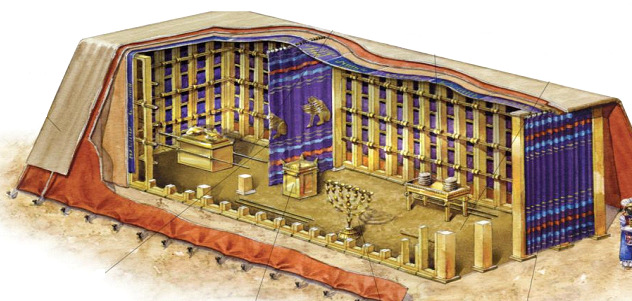
The plan of salvation was demonstrated to us through Psalm 77:13 (14 in other language translations) which states that God’s way is in the sanctuary. The lesson of the sanctuary was taught and this was more interactive as there was a question and answer sessions in between the presentation. An idea of the sanctuary was known but not prophetically understood by the audience. The entire day (as this was on youth day) this lesson was presented and the significance of the structure was briefly taught and discussed. The following is a preview of that discussion:
The Sanctuary:
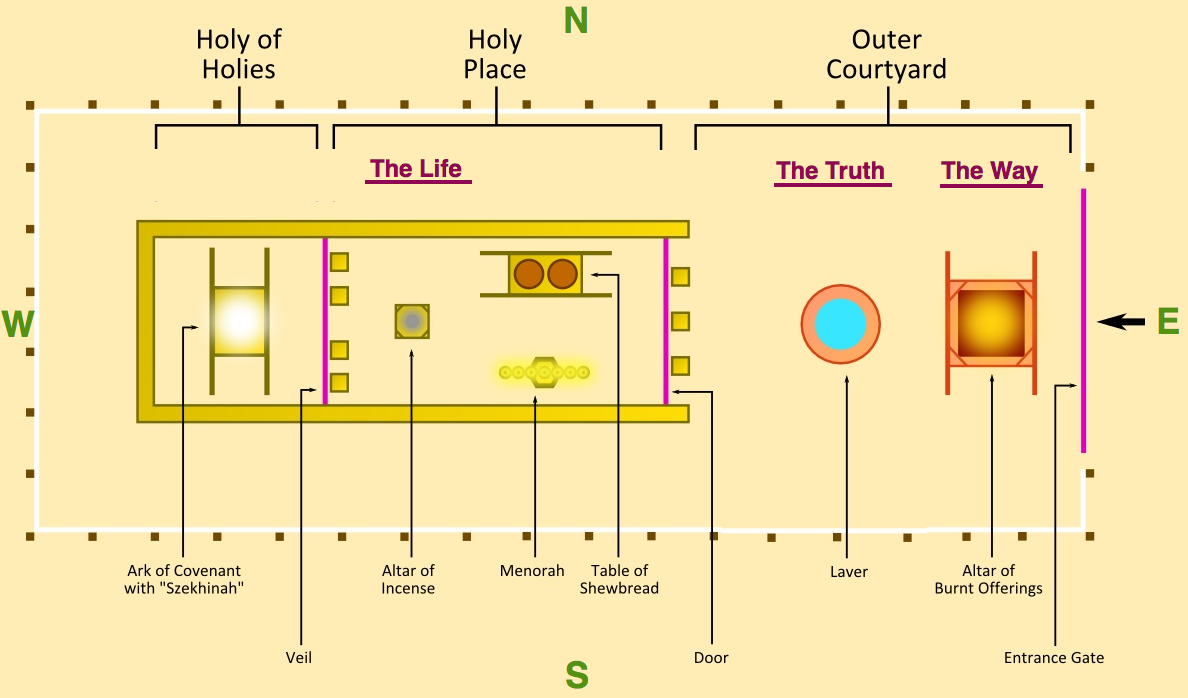
This is the structure of the sanctuary and how Moses was instructed by God to build it. The one entrance into the structure represented Yeshua (Christ) as the only way to salvation. A sinner was to bring an offering, confess his sins over the animal and killed it. This was a lesson that the wages of sin is death but the gift of life is through Yeshua our Lord. The altar of burn offerings was the first article in the outer court, which was were the offering would be burnt. It was a lesson that unconfessed sins will result to hell fire. The laver was filled with water and it had a mirror-like reflection on the outside. This reflection represented the law, as it shows us where and how we have missed the mark (sinned). The law however has no hands to clean you up, so one needed cleansing hence the water in the laver. The priests would wash their hands and feet before they began their daily duties. The water represents baptism as Yeshua declared that unless one is baptised (born of water and the spirit) one will not enter the kingdom of God. The laver therefore in totality represents the gospel and its transforming power.
The Holy Place had one entrance as well which represented Yeshua as the way, the truth and the life. On the northern side there was a table of shewbread which had 12 loafs representing the 12 tribes of Israel. These remained fresh throughout the week and these were only changed by the priests on Sabbath. On the southern side was the table of the 7 branched menorah. The menorah was the light of the Holy Place and it represented perfection, the stages of the church and the ever presence of the Holy Spirit. The altar of incense was by the end of the Holy Place and it was a representation of the prayers of the children of Israel. When the smoke would fill the Holy Place, it meant that the sinner did not confess all their sins but if the smoke went over the veil into the second apartment it meant that they were forgiven of their confessed sins. The two apartments were divided by a thick veil in between.
The Holy of Holies was the second part of the sanctuary which was where the presence of ADONAI was. He communicated with the High Priest from this room. It had the ark of the covenant which inside had the following: pot of manna, Aaron’s rod and the two tablets of stone written the law by the finger of ADONAI. Outside the ark of the covenant Moses was instructed to place the ceremonial law written by the finger of Moses. On top of the ark of the covenant was the mercy seat, where the Psalmist declared is the point at which mercy and the law kissed. There were two cherubims (angels) with wings touching at the top and bottom as a symbol of being ministering spirits working towards the salvation of humanity. In the middle was the glory of ADONAI which the High Priest during the day of atonement would hear ADONAI’s voice from. Once a year the High Priest would enter the Holy of Holies to atone for the sins of Israel. At the day of atonement, the High Priest would have to ensure that he has confessed his sins, as well as all the children of Israel. If he would come out with one of the stones on his breastplate not shinning, it meant the tribe represented by that stone had unconfessed sins and the person/s were to be dealt with decisively. It was therefore important that everyone during the day of atonement confessed all their sins. This teaches us that even as Yeshua (Christ) is interceding for our sins in the Heavenly sanctuary, we ought to confess our sins to Him as He is faithful and just to forgive us our sins and cleanse us from all unrighteousness.
A fundamental question was asked by one of the speakers in relation to where young people are, as many want to be socially acceptable. The challenge that young people have is the pressure from social media, peers and the desire to fit in among the so called elite classes. The goal was to enable that young people in the faith need to rise above the social norms of conformity to a higher level. We are called as the youth not to conform to the standards of the world but to be transformed by the renewing of our minds. We may not deny the fact that all have sinned and come short of the glory of God. An emphasis was made that it is not important how you have started the journey of faith but how you choose to finish it. Many of us have fallen at some point in our lives, we don’t however magnify falling but the decision to rise and keep on fighting a good fight of faith is what we encourage.
Message of encouragement from R.R.M:
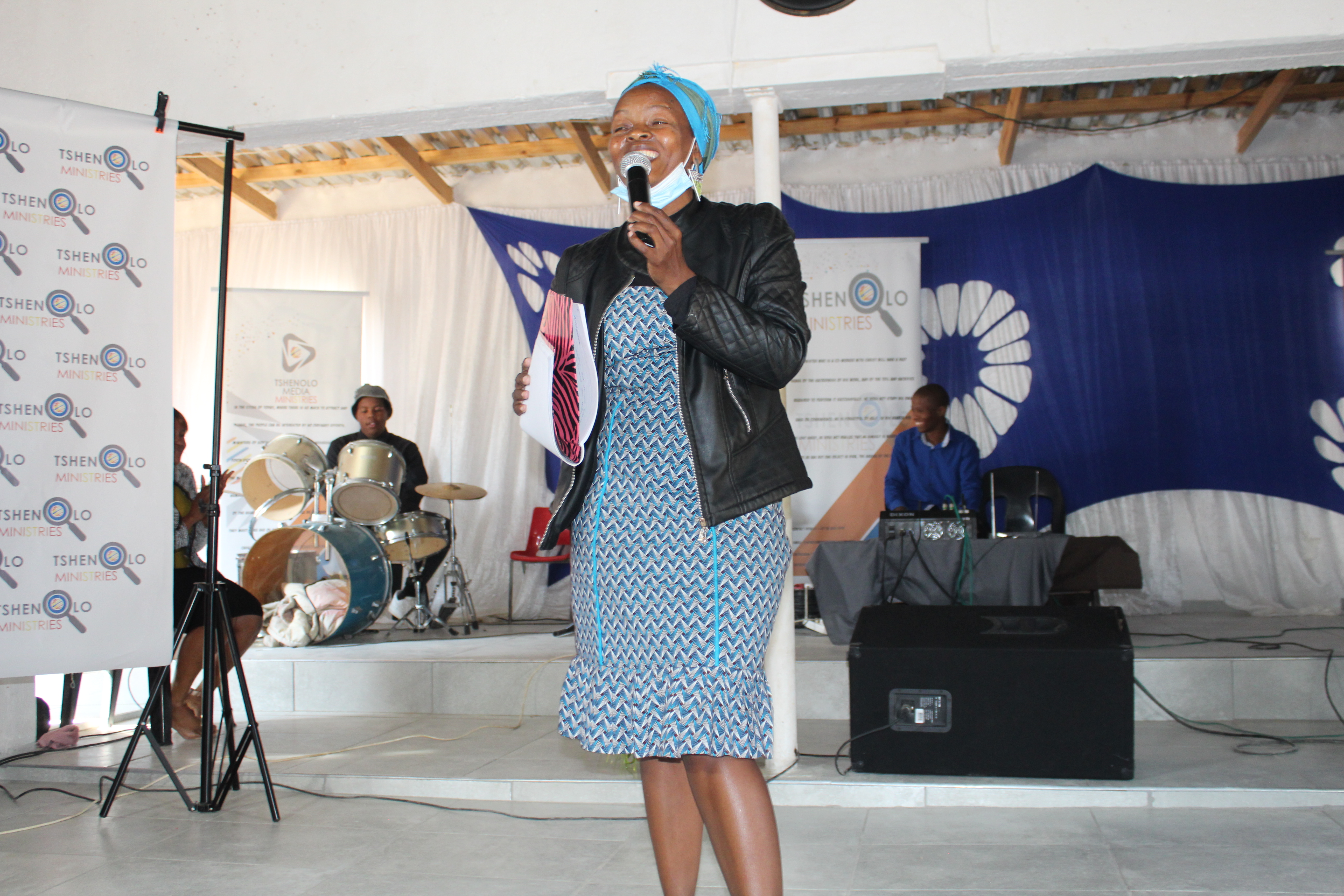
Bishop Ruth Monyebodi of Restoration and Reconciliation Ministries expressed her gratitude towards the collaboration with Tshenolo Ministries. She thanked the speakers for their availability to come and address issues that her youth are faced with and thanked them for their ministering service. We are to continue doing collaborative work with Tshenolo Ministries and we will support their initiatives, declared the Bishop.
Message from Pastor Bakang Dodovu:
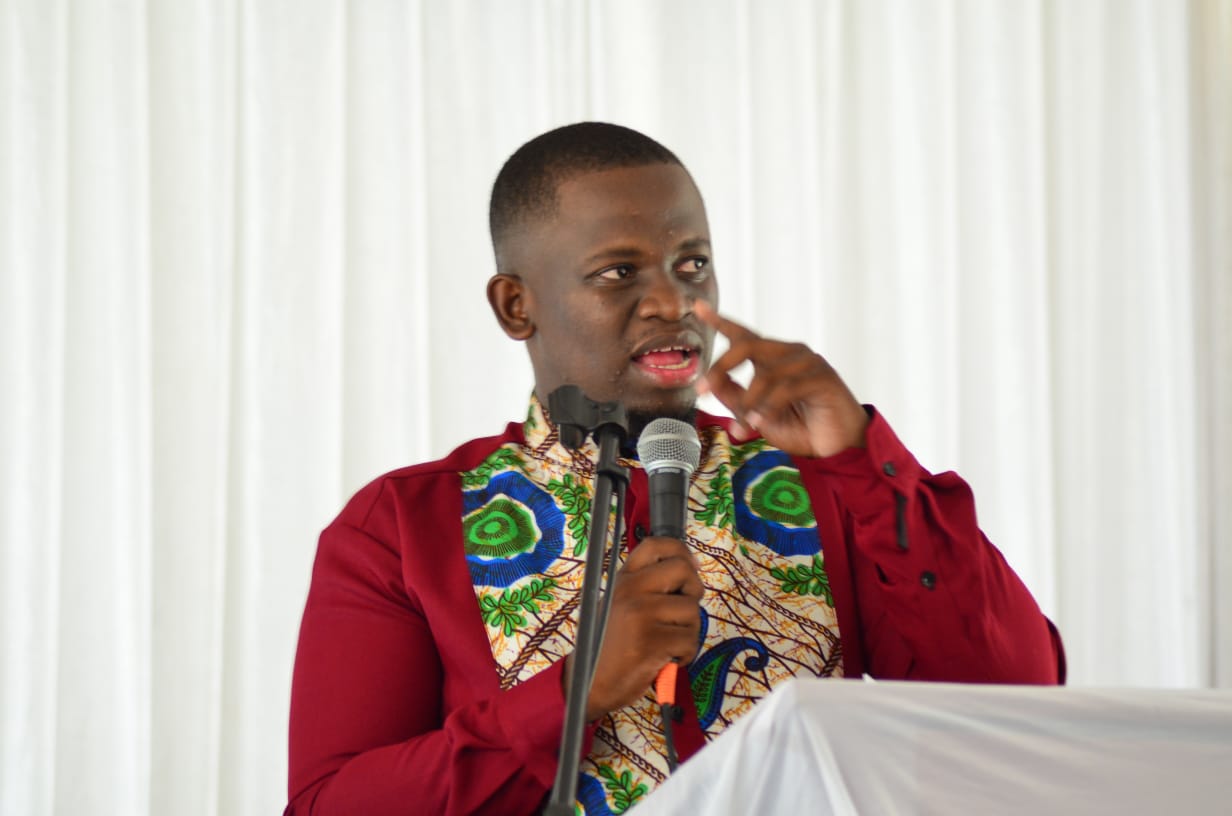
“With all being said and done, I have certainly enjoyed my time with the young people of Restoration and Reconciliation Ministries and want to summarise the message which I preached to them with the following words: when we have exhausted all human reasoning, may faith in God be what pushes us to go forward with Christ. For without faith which is the substance of things hoped for and the evidence of things unseen, it is impossible to please God.”
Message from Apostle Thabo Moseki:
“Let’s find comfort in the words of Apostle Peter: keep a cool head, stay alert. The Devil is poised to pounce, and would like nothing better than to catch you napping. Keep your guard up. You’re not the only ones plunged into these hard times. It’s the same with Christians all over the world. So keep a firm grip on the faith. It won’t be long before this generous God who has great plans for us in Christ – eternal and glorious plans they are! God will have you put together and on your feet for good. He gets the last word; yes He does. The real enemy is Satan not our family members, friends or neighbours. So stay alert, be mindful of Satan and his tricks. On this journey of faith, there will be hardships and struggles of some sort and thus during such times remember these words: keep the faith, walk the faith, the night will come to an end and the morning will come, continue to worship Yeshua in truth and in spirit. My prayer for you all is to remain in the faith of Yeshua.”
Message from Community outreach leader Evangelist Thapelo Sekobane:
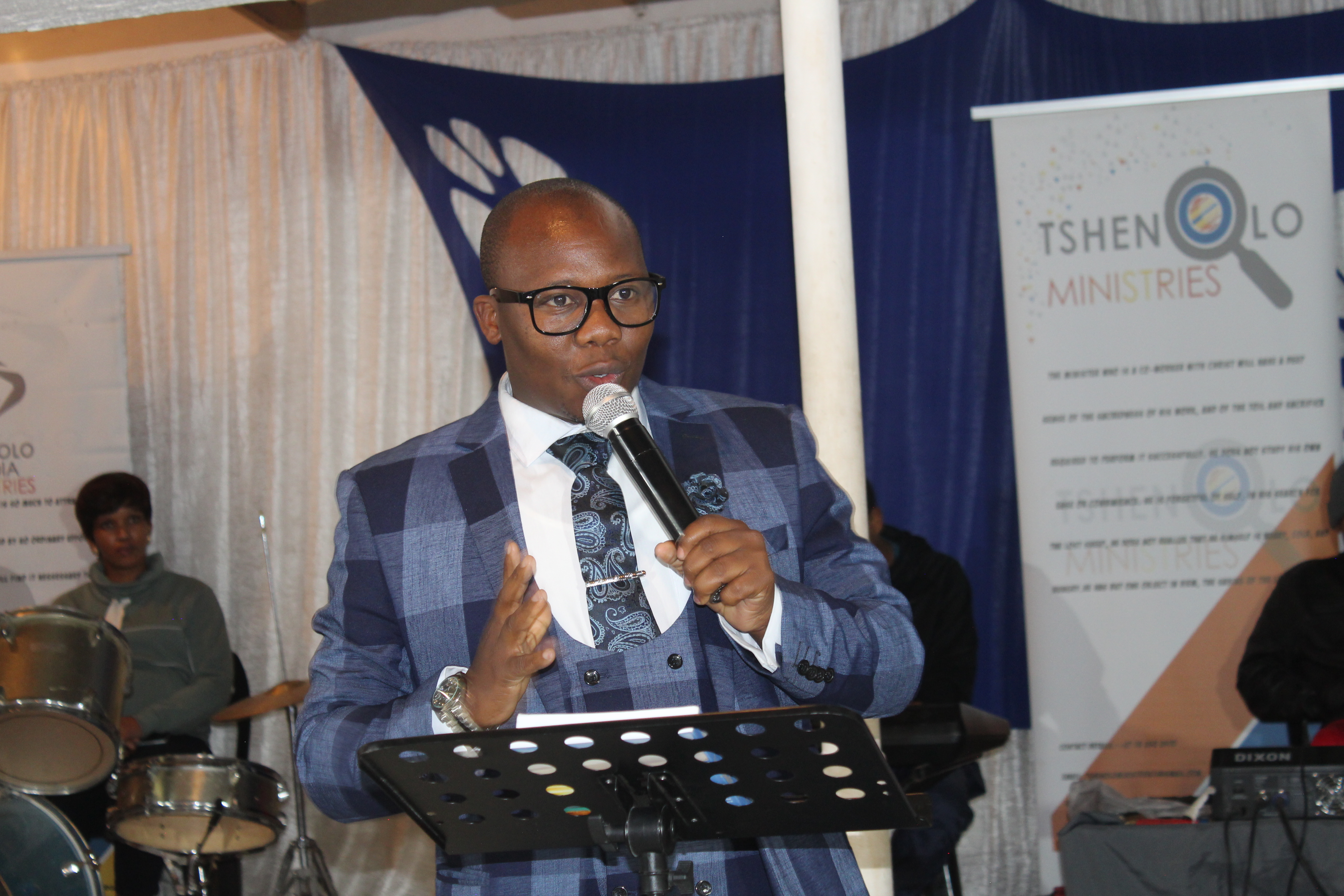
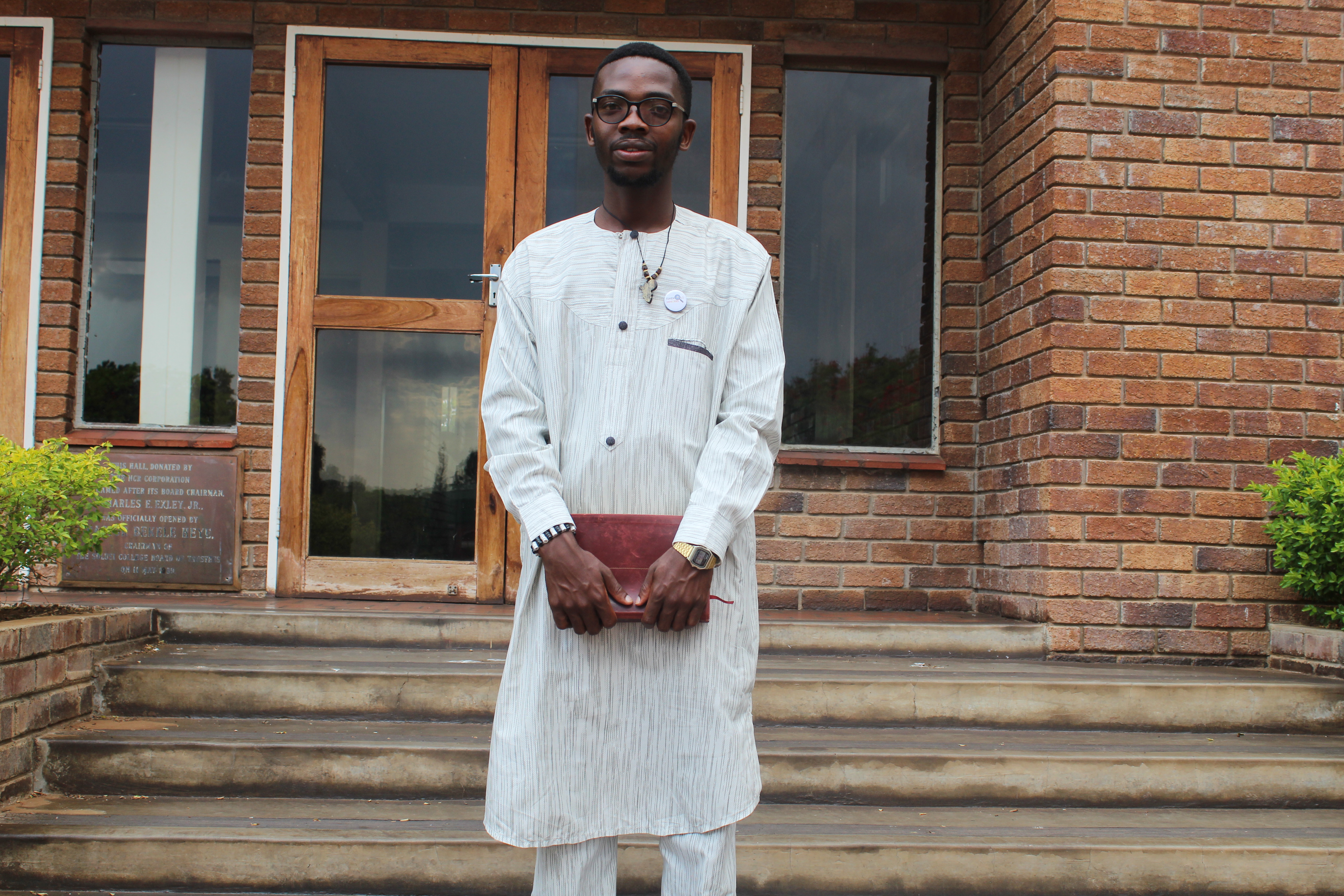
“It is important for young people to have such programmes that will give them an opportunity to be informed about what they believe in. We will continue to have such initiatives that will engage and empower the youth within the region of Ditsobotla and Mafikeng respectively. Our aim is to prepare the youth now, as they are the leaders of the future church.”
Message from Tshenolo Ministries Director Apostle Tumelo Silas Motsie:
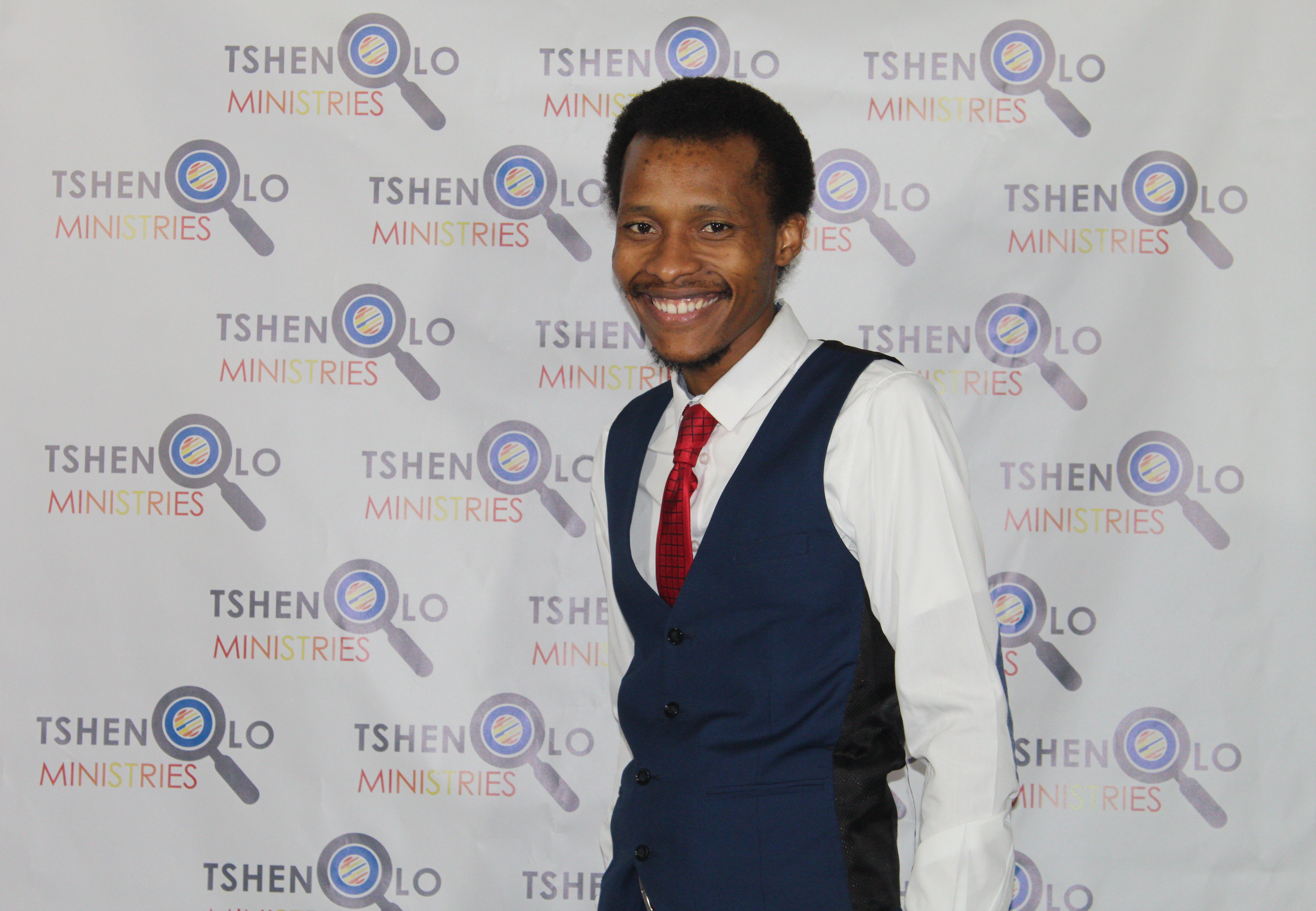
“It has been an honour and privilege for us as a Ministry to have served along side colleagues: Evangelist Thapelo Sekobane, Evangelist Khanyisile Makhosonke, Apostle Thabo Moseki, Pastor Bakang Dodovu and the leadership of RRM. This was the first of many youth conferences that we will collaborate with the youth of churches in our communities. Our aim was to encourage young people to embrace the gospel of Yeshua which is the power of God unto salvation. As a Ministry we are committed to broaden our scope to get into all the world and make disciples for Yeshua. We want to appreciate the contribution of everyone in the sphere of nourishment, those who prayed for us from the beginning to the end of the conference, those who shared financial resources pertaining to transportation and the meals of the team from a daily basis. Special appreciation to RRM church for trusting the Ministry with those under their care. May God richly bless you all even as we continue to work together.”
From the team, we are looking forward to engaging and working with young people from other denominations in the quest of empowering them with the tools of ministry. It is not our desire to convert people to a particular denomination but our prayer in the field is to convert people to the truth of Yeshua which is the power of God unto salvation. If you are interested to get us to publish your ministry activities, kindly get in touch with us: email: info@tshenoloministries.org.za / silas@tshenololoministries.org.za; contact details: +27 78 260 2470 (which is also our WhatsApp line).
Shalom
Recent Comments