
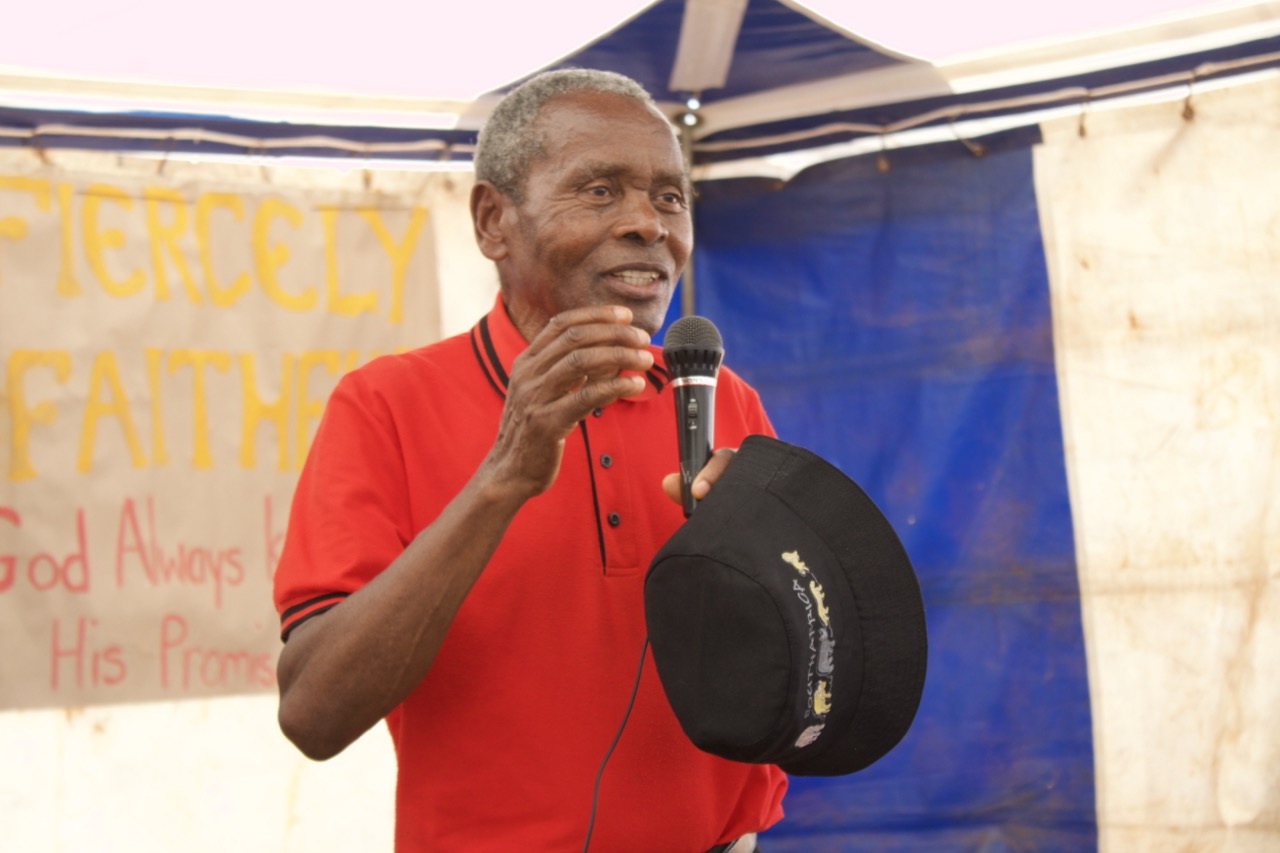
This article aims to critically examine the celebration of Succoth within the Seventh-day Adventist Church, particularly within the context of district-level observances. While the feast holds historical and religious significance, it is observed that its celebration may not fully align with biblical precepts in many instances. This presents an opportunity for the district to explore innovative approaches to revitalize Succoth celebrations and foster deeper spiritual growth among its constituents.

Historical and Religious Significance: Succoth commemorates the Israelites’ 40-year sojourn in the wilderness after their exodus from Egypt, during which they dwelt in temporary shelters or “booths.” This historical context underscores the themes of dependence on God, resilience in challenging circumstances, and gratitude for provision. The feast also holds agricultural significance, originally connected to the harvest season, highlighting the importance of stewardship of God’s creation and celebrating the bounty of the land.
Traditional Practices and Rituals:
The construction of a sukkah, a temporary dwelling covered with plant material, is a central element of Succoth. Jewish families traditionally eat their meals in the sukkah and some even sleep there, fostering a sense of closeness to nature and a reminder of God’s provision. The waving of the Four Species (lulav, etrog, myrtle, and willow) during the holiday holds symbolic significance, representing prayer and seeking God’s blessing. The custom of inviting symbolic guests, or Ushpizin (such as Abraham, Isaac, and Jacob), into the sukkah enriches the celebration by fostering reflection on the patriarchs and their faith. Hoshana Rabbah, the seventh day of Succoth, is considered a day of intense prayer and seeking God’s judgment for the coming year.
Opportunities for Growth and Development:
- Biblical Fidelity: The district can encourage a deeper study of the biblical passages related to Succoth, emphasizing its historical, agricultural, and spiritual significance. This could involve seminars, workshops, and discussions led by theologians and biblical scholars.
- Community Engagement: Succoth can be an opportunity to foster greater community engagement. The district could organize community sukkah-building projects, invite neighbours and community members to participate in the celebrations, and use the occasion to share the message of hope and reconciliation with the wider community.
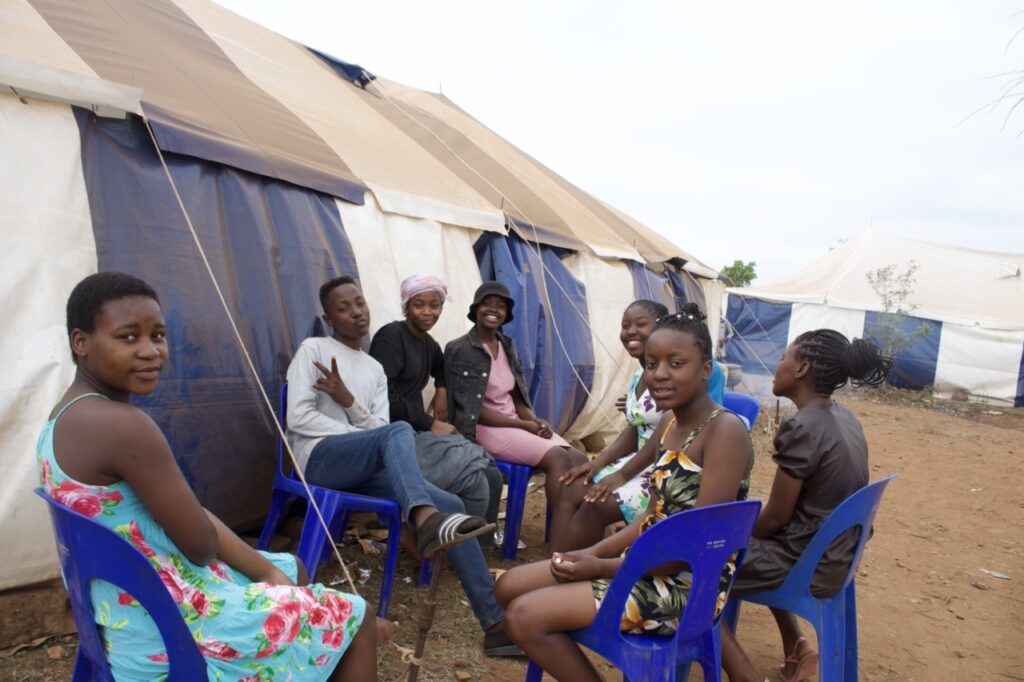
- Youth Involvement: Involving young people in the planning and execution of Succoth celebrations can help revitalize the observance and ensure its continuity for future generations. Youth groups could be encouraged to lead worship services, organize outreach activities, and creatively express their faith through art, music, and drama.
- Social Justice Focus: The district can incorporate social justice themes into Succoth celebrations, such as addressing issues of poverty, hunger, and environmental sustainability. This could involve organizing food drives, supporting local charities, and raising awareness about environmental stewardship.
- Intergenerational Learning: Succoth can be an opportunity for intergenerational learning and fellowship. Older members of the community can share their wisdom and experiences with younger generations, passing on the traditions and values associated with the feast.
By embracing these opportunities, the district can transform Succoth from a mere ritual observance into a dynamic and transformative experience that fosters spiritual growth, strengthens community bonds, and deepens the impact of the Seventh-day Adventist Church in the region.
Deviation from Biblical Instruction:
The text acknowledges that the current celebration of Succoth within the Adventist Church may not fully adhere to the biblical instructions. This deviation raises several questions for scholarly inquiry:
What aspects of the biblical instructions are not being observed? Is it the construction and use of the sukkah, the observance of the specific rituals, or the overall spiritual focus?
What are the historical and theological reasons for these deviations? Have there been shifts in understanding or interpretations of the biblical text over time? Have cultural or contextual factors influenced the way the feast is celebrated?
Camp Meeting as a Substitute:
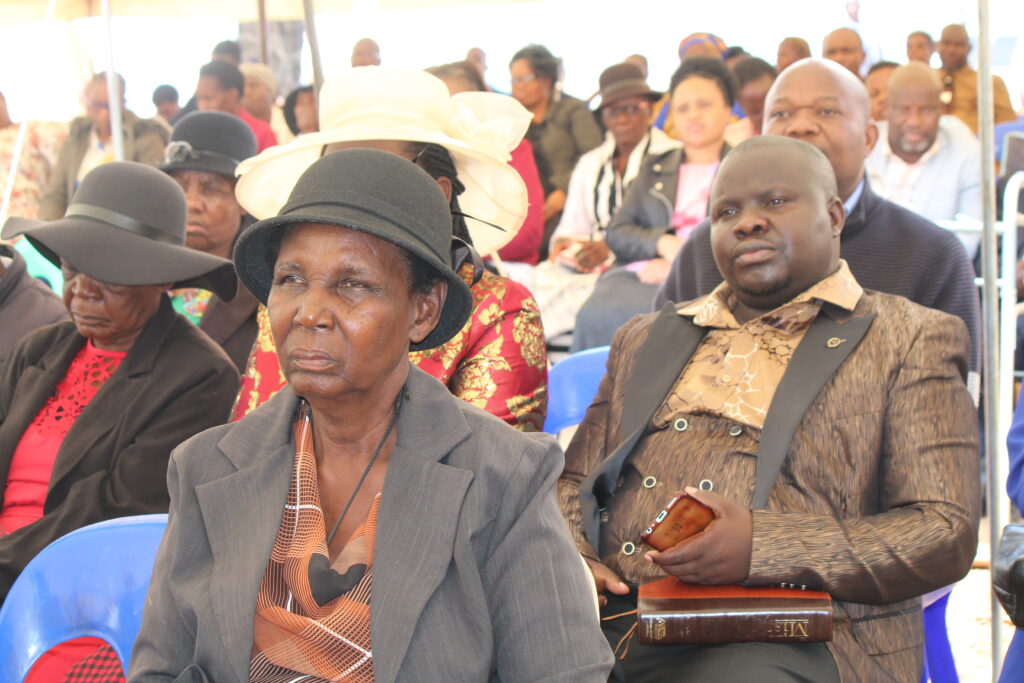
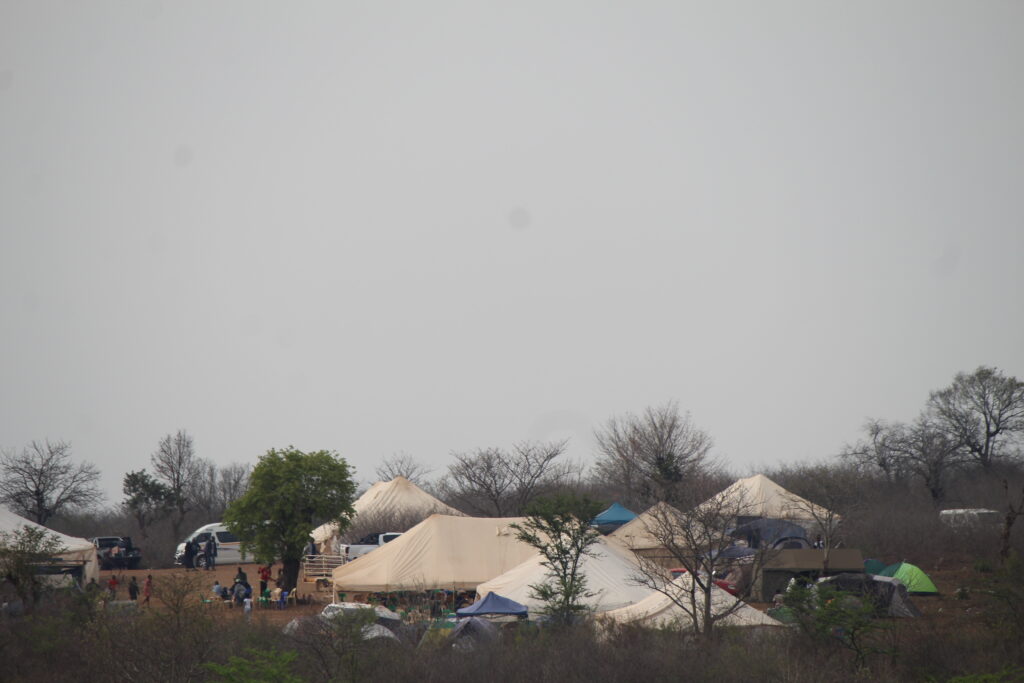
The text highlights the practice of holding camp meetings in lieu of a traditional Succoth celebration. This raises several points for consideration:
Theological Rationale: What is the theological justification for substituting a camp meeting for the Feast of Tabernacles? Does this practice adequately fulfil the spiritual and communal objectives of the biblical feast?Pedagogical Approach: How effectively does the camp meeting format convey the historical, theological, and practical significance of Succoth to the participants? Are there opportunities for deeper engagement with the biblical text and its contemporary relevance?
Vhembe District’s 2024 Camp Meeting:
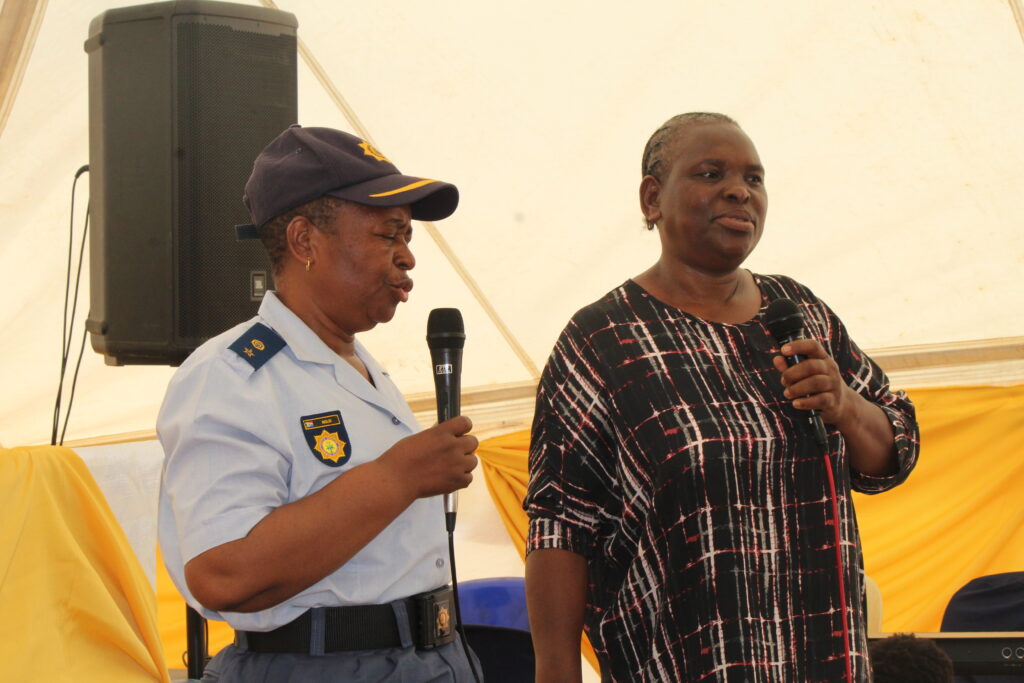
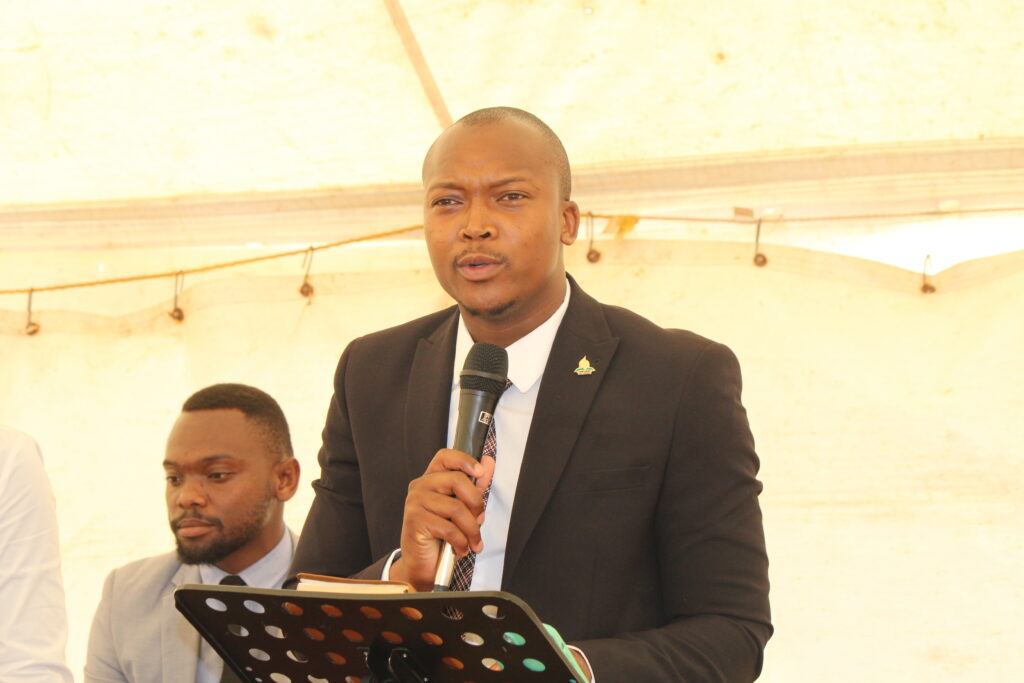
The text provides specific details about the 2024 Vhembe District Camp Meeting, including the speakers and the theme “Rebuilding the Altar.” This information allows for further analysis:
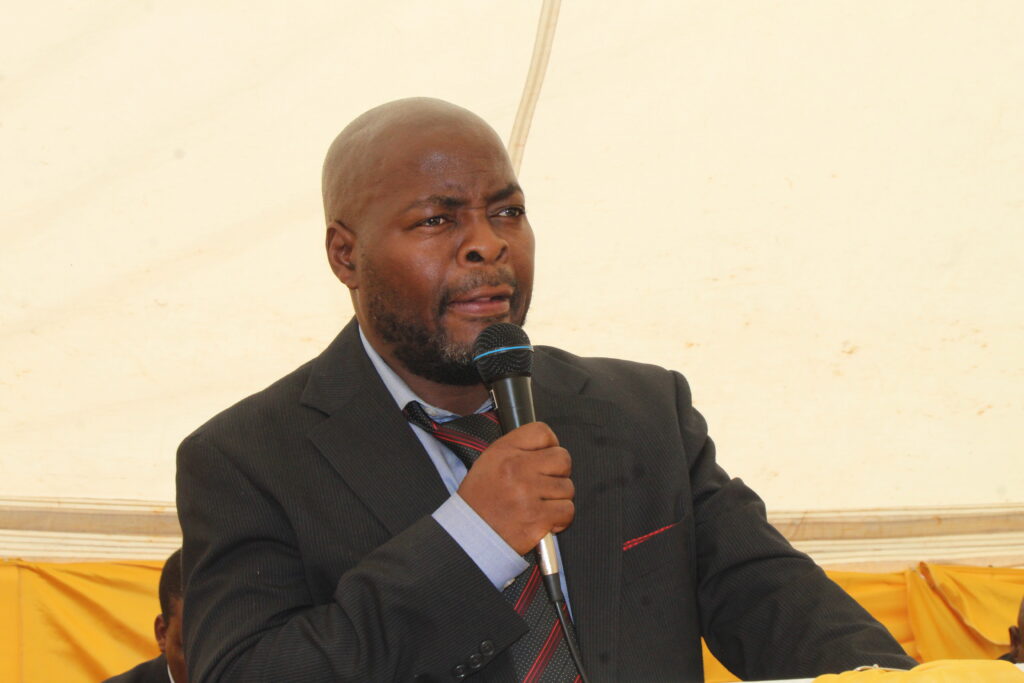
Thematic Focus: The theme “Rebuilding the Altar” suggests a focus on spiritual renewal and restoration within the church. This theme resonates with the broader challenges faced by contemporary believers, such as declining spiritual vitality, moral compromise, and internal divisions. Speaker Selection: The diverse range of speakers, including adult and youth speakers (Pr Maxwell Mavuso, Pr Luka Mtero, Pr Letlhogonolo Molopa, Pr Tumelo Daniel), as well as a female speaker (Mrs Mavuso), indicates a commitment to inclusivity and addressing the needs of various demographics within the church community. Empowerment and Revival: The emphasis on church revival, reformation, and empowering the Vhembe Central constituency suggests a proactive approach to addressing the challenges faced by the church and fostering spiritual growth.
Challenges in Camp Meeting Organization:
The text highlights several key challenges associated with organizing and conducting successful camp meetings. These challenges can be categorized as follows:
1. Financial Constraints:
Funding Limitations: Securing adequate financial resources for camp meetings often poses a significant challenge. Costs associated with transportation, accommodation, meals for guest speakers, and overall logistical arrangements can strain budgets. Dependence on Contributions: The reliance on contributions from churches can create financial instability and uncertainty. Irregular or insufficient contributions can hinder the smooth implementation of camp meeting plans.
2. Logistical and Operational Challenges:
Prompt Attendance: Ensuring consistent and punctual attendance at all services can be a challenge. Campers’ unwillingness to attend promptly disrupts the flow of events and diminishes the overall impact of the camp meeting. Lack of Responsibility and Cooperation: A lack of responsibility and cooperation among campers, church representatives, platform managers, and timekeepers can hinder efficient operations. Poor communication and coordination can lead to delays, confusion, and a less-than-ideal experience. Unethical Behaviour: Unethical behaviour among campers, such as a lack of respect for others, and lack of respect for camp meeting laws, can create a negative atmosphere and detract from the spiritual focus of the camp meeting.
3. Attitudinal and Behavioural Challenges:
Selectivity in Participation: Campers may exhibit selective participation, attending only specific services (often those with larger crowds, such as Sabbath services) while neglecting others. This lack of consistent engagement diminishes the overall impact of the camp meeting. Assumption of Importance: The assumption that certain services are more important than others can lead to a lack of engagement and a diminished sense of community.
4. Technical and Infrastructural Challenges:
Inadequate Facilities: Issues such as restrooms and insufficient lighting can create discomfort and hinder the overall experience.
Addressing the Challenges:
To address these challenges effectively, the following strategies can be considered:
Sustainable Funding Models: Exploring alternative funding models, such as sponsorships, fundraising events, or grants, can help alleviate financial constraints and ensure the long-term sustainability of camp meetings. Enhanced Communication and Coordination: Implementing robust communication channels and fostering a collaborative environment among all stakeholders is crucial. This includes clear roles, responsibilities, and expectations for campers, church representatives, and staff. Promoting Active Participation: Emphasizing the importance of consistent attendance and active participation in all services through clear communication, incentives, and engaging programs. Creating a Sense of Ownership: Fostering a sense of ownership among campers by encouraging their involvement in planning and organizing aspects of the camp meeting. Addressing Unethical Behaviour: Implementing clear guidelines and consequences for unethical behaviour to create a respectful and conducive environment. By addressing these challenges proactively, organizers can ensure that camp meetings achieve their spiritual and educational objectives, fostering a meaningful and impactful experience for all participants.
Key Themes for Enhancing Camp Meeting Effectiveness:
The text emphasizes several key themes for improving the camp meeting experience:
Collective Responsibility and Participation:
The importance of active participation and ownership from all churches within the district is stressed. The text highlights the detrimental effects of “back-seat” behaviour by smaller churches, emphasizing the need for collective effort in the growth and success of the district. The text emphasizes the need for proactive communication and commitment. Churches are encouraged to inform the district leadership in advance if they are unable to fulfil assigned responsibilities, rather than neglecting their duties on the day of the event.
Financial Accountability and Sustainability: The text acknowledges the financial constraints that often hinder camp meeting planning and execution. It emphasizes the need for improved financial accountability and transparency to encourage greater financial support from churches and individuals.
Improved Planning and Coordination:
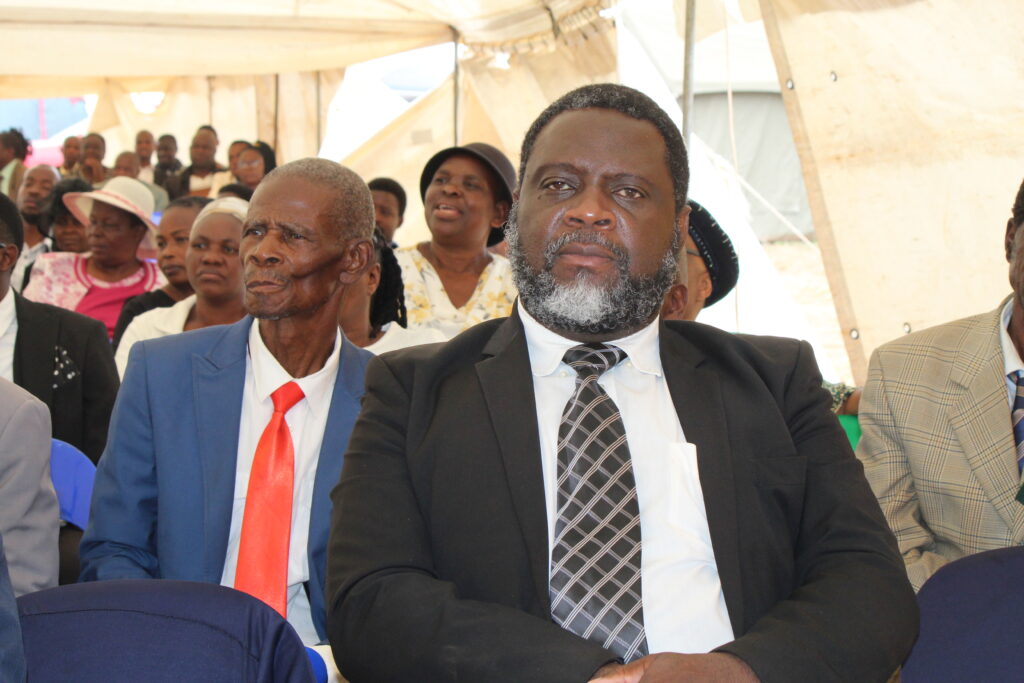
The importance of timely preparation and planning is stressed. Early planning allows for better financial management, smoother logistics, and a more impactful camp meeting experience. It also emphasizes the value of prompt feedback and suggestions from churches to facilitate continuous improvement and address specific needs and preferences.
Enhancing the Worship Experience:
The text highlights the need for a more coordinated and impactful worship experience. The suggestion of forming a unified worship team comprising local choristers can enhance the quality and consistency of musical performances throughout the camp meeting.
Additional Considerations:
Camp Meeting Objectives: Defining clear and measurable objectives for each camp meeting can provide a framework for evaluation and continuous improvement. Needs Assessment: Conducting regular needs assessments among church members can help identify areas for improvement and tailor camp meeting programs to address specific needs and interests. Technology Integration: Exploring the potential of technology to enhance communication, coordination, and engagement during camp meetings can be beneficial.
Challenges Faced:
The paper highlights a significant challenge faced during the past camp meeting: spiritual attacks targeting campers, particularly young people. It is concerning that many elderly individuals appeared indifferent to these attacks, while pastors were actively engaged in mitigating the situation. This incident underscores the importance of collective spiritual vigilance and support within the camp meeting environment.
Achievements:
Several notable achievements are mentioned:
Acquisition of Sound Systems: The district successfully purchased two sets of sound systems (PA systems), eliminating the need for annual rentals. This investment improves the quality of worship services and provides better sound for both adult and youth gatherings.
Junior Youth Ministry Equipment: The purchase of equipment for Junior Youth Ministries demonstrates a commitment to youth development and provides valuable resources for various clubs within the district.Decoration Material Acquisition: The acquisition of decoration materials will result in cost savings for future camp meetings by eliminating the need for borrowing or hiring such materials.
Developmental Suggestions:
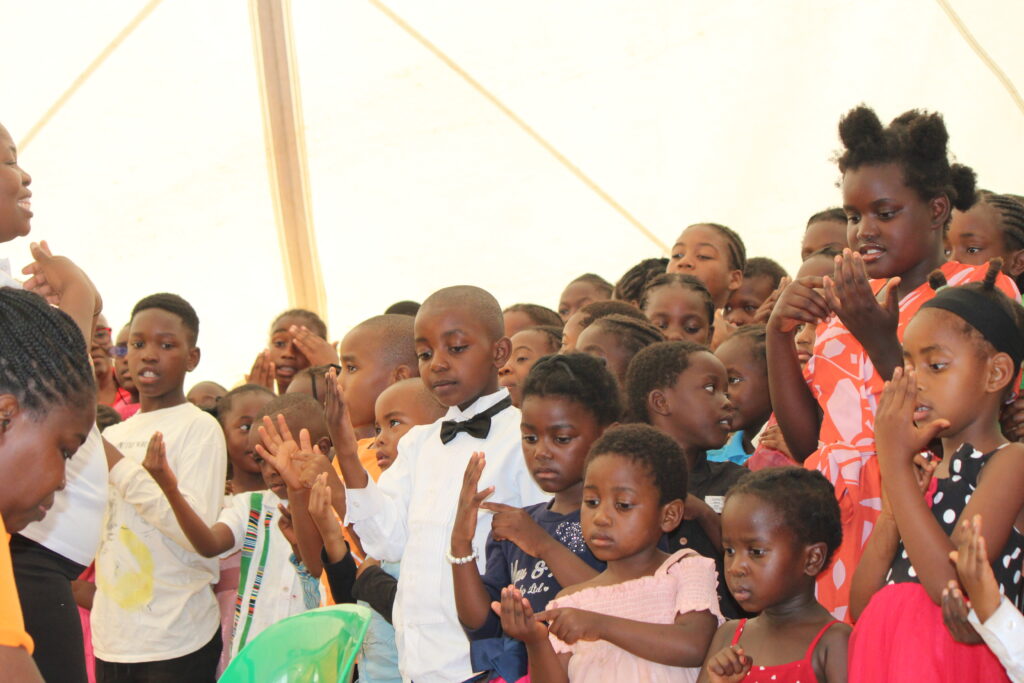
The text emphasizes the need for infrastructure development at the camp meeting site. This includes upgrading the current infrastructure to improve the overall camp meeting experience. A significant suggestion is the construction of rondavels (traditional African huts) to accommodate guest speakers. This would eliminate the costs associated with their accommodation and travel, leading to substantial long-term savings. While this may seem ambitious, the text emphasizes its feasibility through consistent contributions from churches towards this goal. Finally, this article advocates for the immediate implementation of the steel structure foundation already purchased by the district. This will eliminate the need for annual tent rentals, further reducing expenses and improving the overall camp meeting experience.
May the LORD continue to guide Vhembe Central District of the Seventh-day Adventist Church, its constituency and its leadership.
Bibliography:
Benjamin M. Austin, “Booths, Feast of,” ed. John D. Barry et al., The Lexham Bible Dictionary (Bellingham, WA: Lexham Press, 2016).
Kraus, Hans Joachim. Worship in Israel: A Cultic History of the Old Testament. Louisville: John Knox, 1966.
Mowinckel, Sigmund. The Psalms in Israel’s Worship. 2 vols. Translated by D. R. Ap-Thomas. Nashville: Abingdon, 1962.
Rubenstein, Jeffrey L. The History of Sukkot in the Second Temple and Rabbinic Periods. Brown Judaic Studies 302. Atlanta: Scholars Press, 1995.
“The Symbolism of the Sukkah.” Judaism 43 (Fall 1994): 371–87.
“The Symbolism of the Sukka (Part 2).” Judaism 45 (Fall 1996): 387–98.
Smith, C. W. “Tabernacles in the Fourth Gospel and Mark.” New Testament Studies 9 (1963): 130–46.
Ulfgard, Håkan. The Story of Sukkot: The Setting, Shaping, and Sequel of the Biblical Feast of Tabernacles. Beiträge zur Geschichte der biblischen Exegese 24. Tübingen: Mohr Siebeck, 1998.
Volz, Paul von. Das Neujahrsfest Jahwes: Laubhüttenfest. Tübingen: Mohr Siebeck, 1912.
Wellhausen, Julius. Prolegomena to the History of Ancient Israel: with a reprint of the article “Israel” from the Encyclopedia Britannica. J. Sutherland Black and Allan Menzies, trans.; Edinburgh: Adam and Charles Black, 1885.
It is interesting to see the developments achieved so far and the anticipation for further developments. May God continue blessing the effort