Abstract:
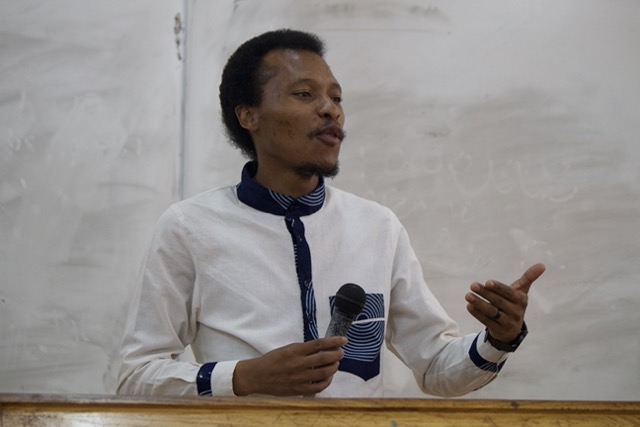
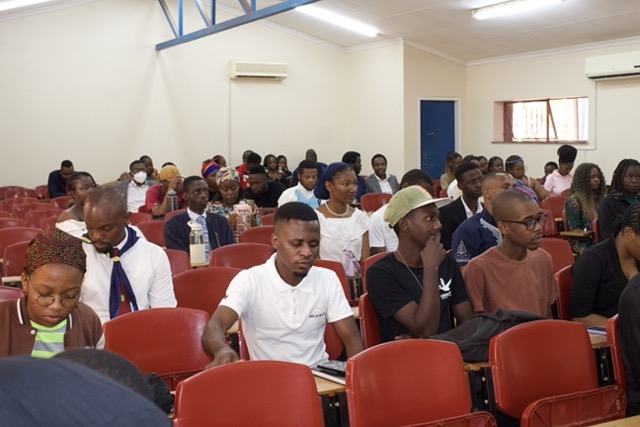
The period from August 27 to September 2, 2023, marked a seminal initiative at the University of Venda—the Public Campus Ministry Week. Orchestrated by the Seventh-day Adventist Student Movement (SDASM) and the Student Christian Organization (SCO), this initiative aimed to offer pedagogical training on Evangelism and Witnessing, facilitated by Apostle Tumelo Silas Motsie. This article provides a multifaceted examination of the event, emphasizing the ecumenical collaboration and the methodological approach to religious instruction.
Introduction: Contextualizing Interfaith Engagement on Campus
In an era when religious organizations often function in insular environments, the joint venture by SDASM and SCO serves as a paradigmatic shift. This interfaith collaboration reflects a larger epistemological concern: the necessity for religious entities to transition from theoretical discourse to actionable pedagogy. In the realm of ecclesiastical studies and clerical practice, it falls within the purview of theologians and religious leaders to cultivate a paradigm that underscores the imperative of unity among the laity. The objective is to dismantle any latent adversarial dynamics or competitive ethos within religious cohorts, thereby promoting a more cooperative religious landscape. The educational program in question serves as a seminal vehicle for sensitizing university-based faith communities to the salient features of interfaith dialogue and ecumenical oneness, principles deeply rooted in monotheistic theological constructs. Within this framework, it becomes incumbent upon student religious organizations to eschew any forms of sectarian jealousy or hostility. Collective action among these organizations not only fortifies their ontological presence within academic institutions but also insulates them against being undermined or co-opted by political or alternative organizational structures within the higher education ecosystem.
Methodology: An Emphasis on Practical Theology
Departing from abstract theological discussions, the initiative took a didactic approach to various elements of Christian ministry. The ensuing thematic discussions constituted the corpus of the instructional modules:
1. Defining Christian Evangelism: Theoretical Frameworks and Operational Semiotics
An exegetical examination of Evangelism was conducted to elucidate its semantic and operational dimensions. This included a critical analysis of evangelism as a lifestyle and its implications for individual believers and church communities.
2. Ecclesiological Context: Evangelism and Its Indispensability in the Church
This segment provided a hermeneutical exploration of ecclesiology, emphasizing the integral role of Evangelism within the larger mission and vision of the Church.
3. Laity in Focus: The Role of Church Members in Evangelical Outreach
Through a sociological lens, the responsibilities of ordinary church members in community building were analyzed. A synthesis of theory and praxis offered insights into congregational dynamics and communal spirituality.
4. Principles of Witnessing: A Methodological Approach
Drawing from theological ethics, the principles of witnessing were formulated, providing a pragmatic guide for effective communication of Christian tenets.
5. The Art of Follow-Up: Sustaining Spiritual Engagement
This topic explored the pragmatic methodologies for post-evangelism engagement, focusing on strategic approaches to pastoral care.
6. Decision-making in Spiritual Contexts: Psychological and Theological Intersections
Participants were exposed to cognitive psychological theories on decision-making within the context of spiritual conversions.
7. The Doctrine of Heavenly Advocacy: A Theological Inquiry
The discussion ventured into systematic theology, detailing the soteriological implications of Christ’s intercessory role.
8. Redemption in Christian Theology: A Panoramic View
The salvific narrative, beginning from the Fall to Christ’s redemptive act, was examined, providing a comprehensive understanding of Christian soteriology.
Gendered Discussions: An Intersectional Examination
The incorporation of gender-specific dialogues offered an intersectional perspective, allowing for discussions that were sensitive to the unique challenges faced by different gender groups within the religious community.
Embracing Cultural Diversity: An Ecumenical Perspective

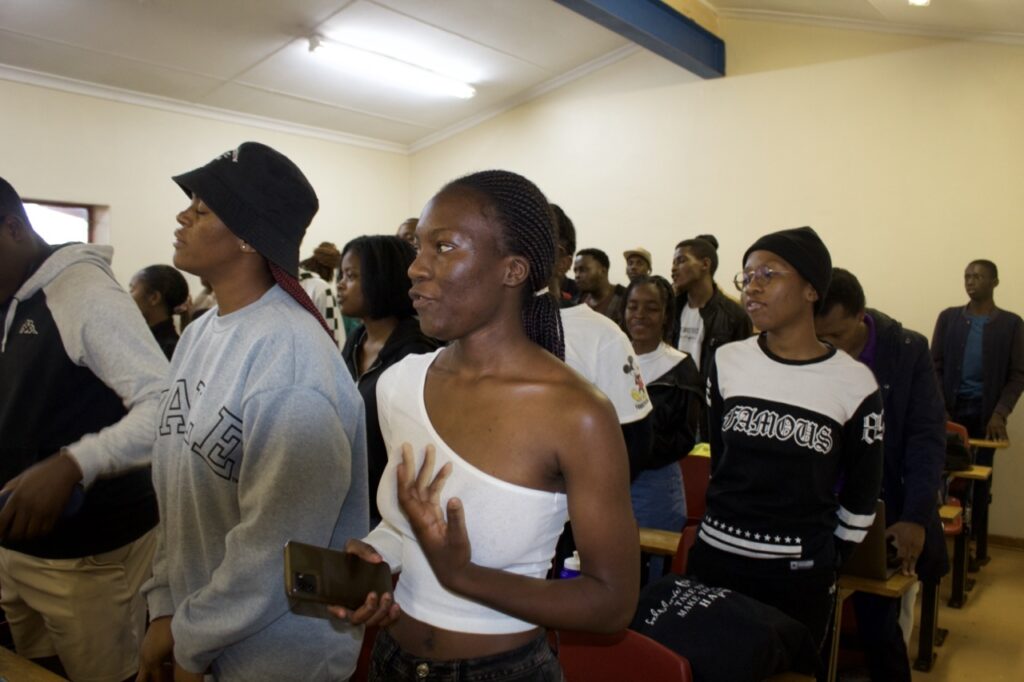
The week culminated in a cultural celebration that acted as a microcosm of global Christianity, echoing the Pauline doctrine that in Christ “there is neither Jew nor Gentile.”
Conclusion: A Praxis-Oriented Pedagogy for Campus Ministries
The Public Campus Ministry Week serves as a case study in effective pedagogical approaches to campus ministry. It showcases the synergistic benefits of interfaith cooperation and puts forward a praxis-oriented model for religious education in tertiary institutions.
Good day. Glory be to God for a successful week of prayer we had. Personally I leant a lot and I wish God instills the power to evangelive his truth. It was a powerful experience and hope to have another one soon
Your presence and leadership made it a success…